

Best Things to Do in Tokyo: Attractions, Experiences & Travel Tips
Discover the best things to do in Tokyo, from Senso-ji Temple and Shibuya Crossing to Tokyo Skytree, historic shrines, Japanese food tours, cherry blossoms and unforgettable Mount Fuji day trips.
Looking for the best things to do in Tokyo? Japan's extraordinary capital is a city of contrasts, where ancient Buddhist temples stand near futuristic skyscrapers, peaceful gardens provide an escape from neon-lit streets and centuries-old traditions coexist with cutting-edge technology. From the famous Shibuya Crossing and historic Senso-ji Temple to panoramic observation decks, lively food markets and fascinating neighbourhoods, Tokyo offers unforgettable experiences for every type of traveller.
Whether you're visiting Tokyo for the first time, planning a family vacation, exploring Japanese culture or organising a romantic city break, this comprehensive Tokyo travel guide covers must-see attractions, unique experiences, the best areas to stay, practical travel tips and a realistic three-day itinerary. You'll also discover Japanese food tours, traditional cultural activities, guided sightseeing experiences and memorable day trips to Mount Fuji and surrounding destinations that you can compare through Viator to make the most of your Tokyo adventure.
Discover tours, attractions and experiences.
1Why Visit Tokyo?
Tokyo is one of the world's most fascinating travel destinations, offering an extraordinary combination of traditional Japanese culture, modern architecture, exceptional cuisine and innovative entertainment. Few cities allow visitors to explore a centuries-old Buddhist temple in the morning, discover world-famous shopping districts in the afternoon and admire a spectacular illuminated skyline at night. Tokyo's distinctive neighbourhoods each offer a different atmosphere. Asakusa preserves elements of historic Japan, Shibuya is famous for fashion and its enormous pedestrian crossing, Shinjuku combines skyscrapers with lively entertainment streets, and Akihabara attracts visitors interested in anime, manga, gaming and electronics. Food lovers can discover everything from ramen shops and sushi restaurants to traditional markets and refined Japanese dining experiences. Tokyo is also an excellent destination for seasonal travel. Spring brings cherry blossoms, summer offers festivals and fireworks, autumn provides colourful foliage and winter features illuminations and clear skyline views. Beyond the city, travellers can explore Mount Fuji viewpoints, historic Kamakura and scenic Hakone. Whether you're interested in history, photography, gastronomy, technology, shopping or Japanese traditions, Tokyo offers unforgettable experiences throughout the year.
2Top Things to Do in Tokyo
The best Tokyo attractions combine historic temples, internationally famous city landmarks and impressive modern architecture. First-time visitors should prioritise a few essential sights while leaving time to explore surrounding neighbourhoods. Tokyo is enormous, so grouping nearby attractions into the same day makes sightseeing much more enjoyable. Guided Tokyo tours and selected attraction experiences available through Viator can help visitors discover the city's cultural heritage, understand local customs and navigate its most exciting districts.
Senso-ji Temple and Asakusa: Discover Historic Tokyo
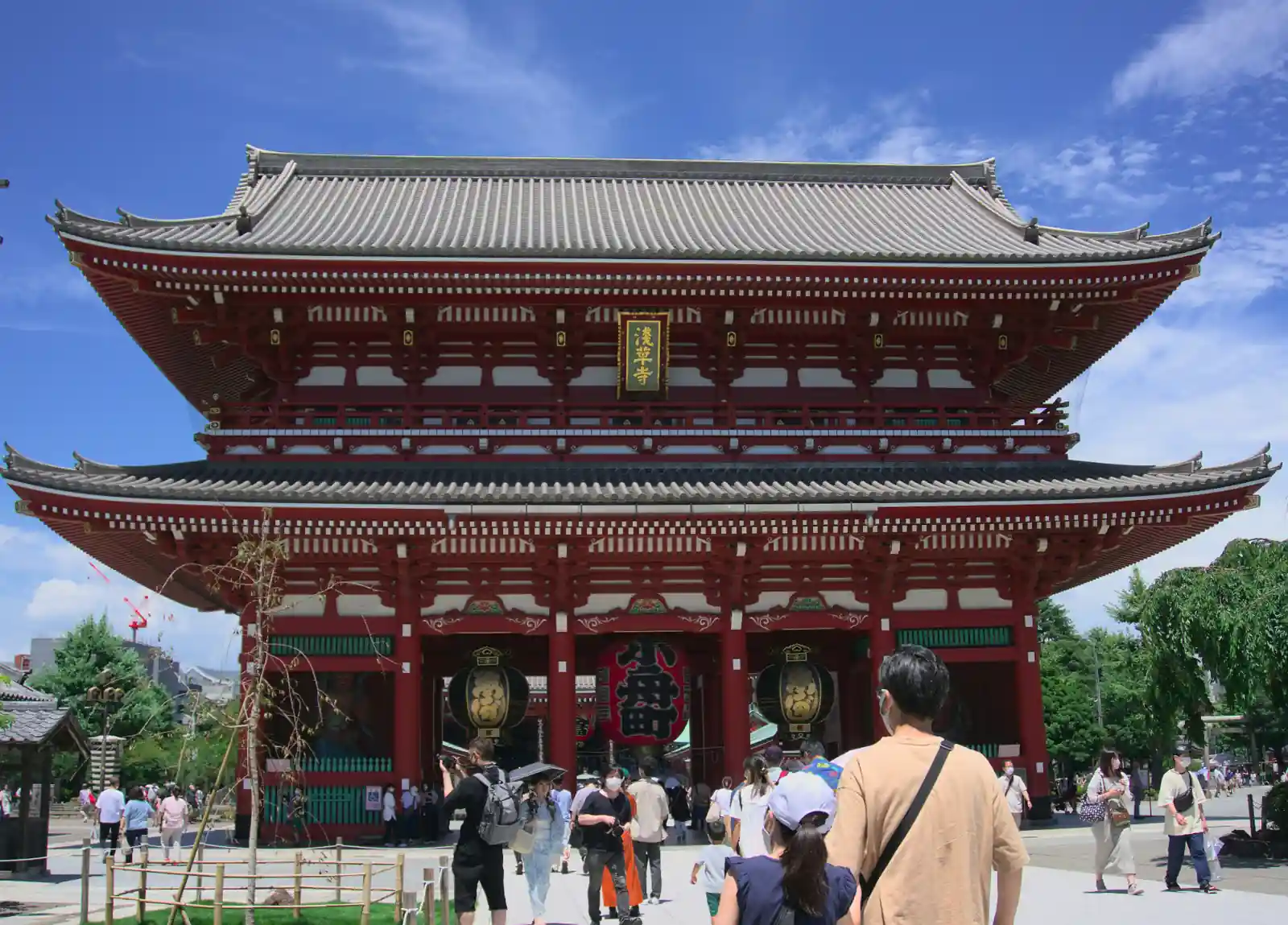
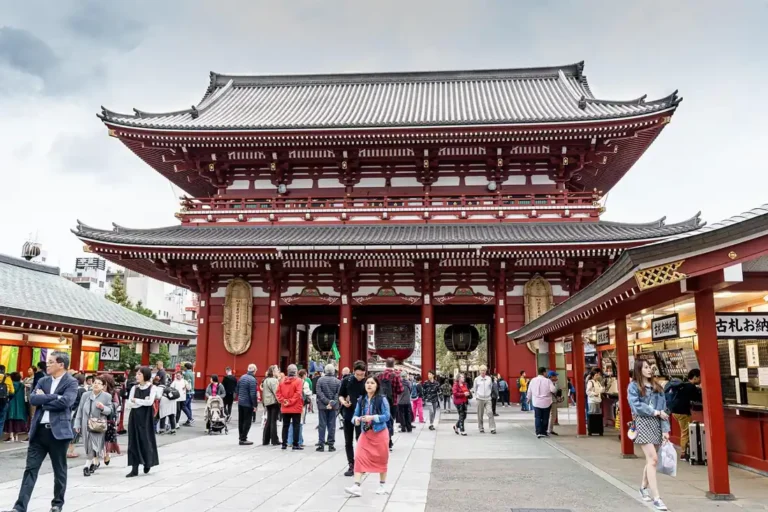
Senso-ji Temple is Tokyo's oldest major Buddhist temple and one of the city's most recognisable cultural landmarks. Located in Asakusa, the temple is famous for its impressive Kaminarimon Gate, enormous red lantern and traditional approach along Nakamise shopping street. Visitors can explore the temple grounds, admire the five-storey pagoda and discover the atmosphere of one of Tokyo's most historic neighbourhoods. Nakamise is lined with shops selling traditional snacks, souvenirs and Japanese crafts, providing an enjoyable introduction to local culture. The surrounding Asakusa district features smaller shrines, traditional restaurants and picturesque streets that contrast with Tokyo's modern business districts. Senso-ji is especially atmospheric early in the morning, when the grounds are quieter, and after dark, when parts of the temple complex are illuminated. Guided Asakusa walking tours available through Viator can provide valuable insight into Japanese religious traditions, architecture and local history.
Visit Senso-ji early in the morning for fewer crowds and memorable photographs. The main temple grounds are generally free to enter. Compare Asakusa cultural walking tours on Viator for historical commentary and local experiences.
Shibuya Crossing and Shibuya Sky: Experience Modern Tokyo
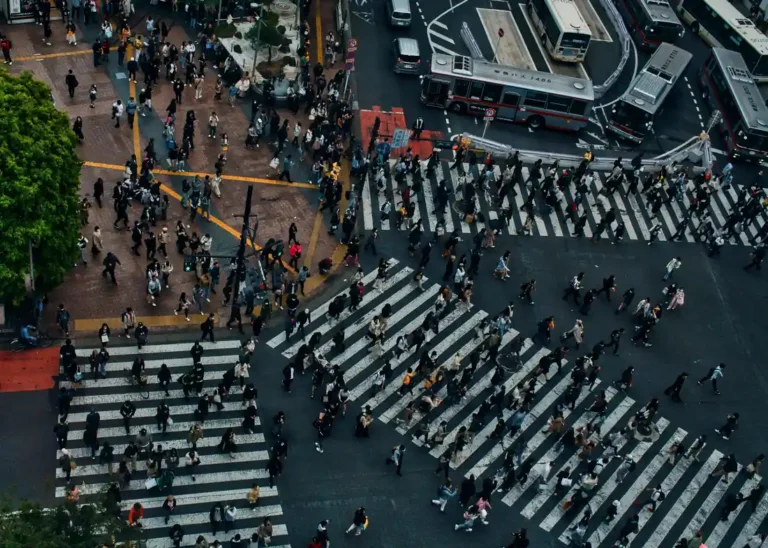
Shibuya Crossing is one of Tokyo's most famous landmarks and a symbol of the city's energy. Located outside Shibuya Station, the enormous pedestrian intersection becomes a remarkable spectacle when crowds cross simultaneously from several directions. The surrounding district is filled with shopping centres, restaurants, entertainment venues and fashionable streets. Nearby, the Hachiko statue commemorates the famous loyal dog and serves as a popular meeting point. For spectacular city views, SHIBUYA SKY offers an observation experience high above the district, with panoramic perspectives across Tokyo's skyline. On clear days, distant Mount Fuji may be visible, although weather conditions determine visibility. Shibuya is particularly exciting in the evening, when illuminated buildings and busy streets create a memorable urban atmosphere. Guided Shibuya walking tours and selected observation experiences available through Viator can help visitors explore this energetic neighbourhood.
Reserve SHIBUYA SKY admission ahead of time, particularly for sunset slots. Outdoor observation areas may close during unsuitable weather. Compare Shibuya sightseeing tours and available observation experiences on Viator, checking admission inclusions.
Tokyo Skytree: Admire Panoramic Views of Japan's Capital
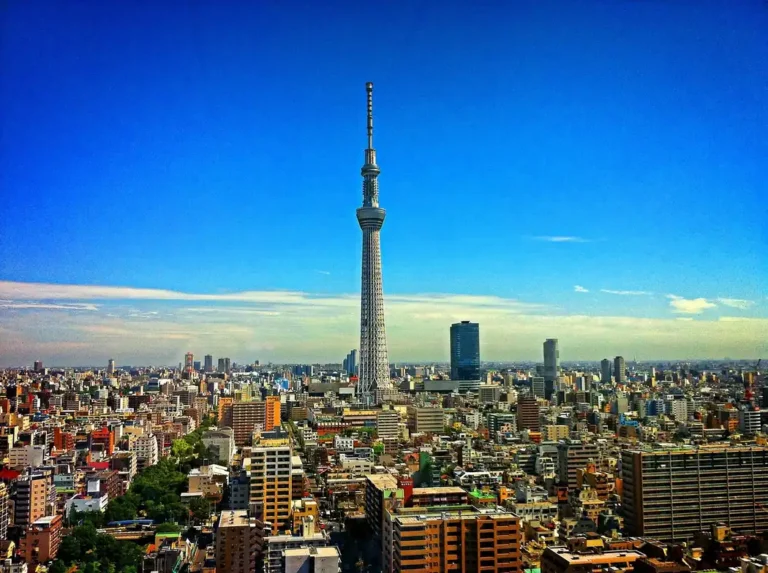
Tokyo Skytree is one of Japan's most impressive modern landmarks and a defining feature of the city's skyline. Standing 634 metres tall, the broadcasting and observation tower offers extraordinary panoramic views over Tokyo and the surrounding region. Visitors can access the Tembo Deck at approximately 350 metres, while selected admission options provide access to the higher Tembo Galleria at approximately 450 metres. On clear days, the observation levels may offer distant views of Mount Fuji. The tower is located in the Sumida area, close to Asakusa, making it convenient to combine modern sightseeing with a visit to Senso-ji Temple. At the base, Tokyo Solamachi provides shopping, restaurants and entertainment options. Tokyo Skytree is particularly impressive around sunset, when visitors can observe the transition from daytime city views to Tokyo's illuminated skyline. Compare Tokyo Skytree admission experiences on Viator to find suitable ticket options.
Choose your observation level carefully, as not every admission option includes the higher Tembo Galleria. Compare available Tokyo Skytree tickets on Viator and consider visiting on a clear day for the best panoramic views.
Meiji Jingu Shrine and Harajuku: Explore Tokyo's Traditions and Fashion
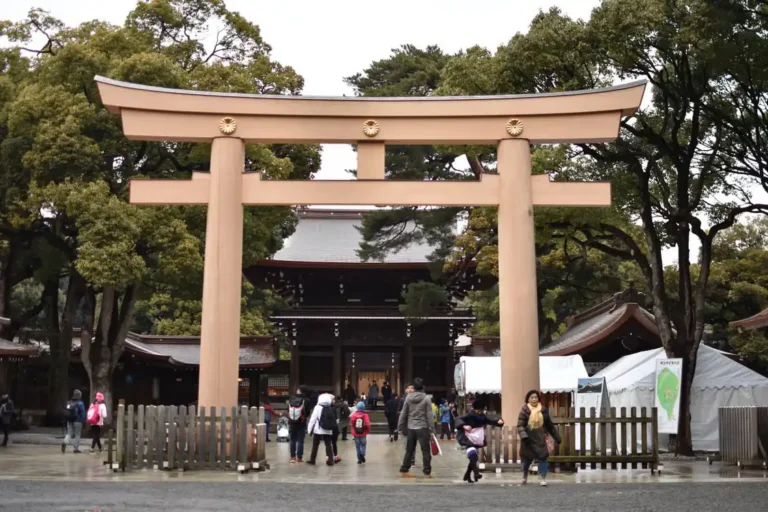
Meiji Jingu is one of Tokyo's most important Shinto shrines, dedicated to Emperor Meiji and Empress Shoken. Located within a peaceful forested area near Harajuku, the shrine offers a remarkable contrast to the surrounding urban environment. Visitors approach through impressive torii gates and tree-lined pathways before reaching the main shrine buildings. The grounds provide an opportunity to learn about Shinto traditions, Japanese customs and the importance of sacred spaces in everyday life. Nearby Yoyogi Park is a popular green space, while Harajuku's Takeshita Street is famous for youth fashion, colourful shops and distinctive street culture. Omotesando offers another perspective, with elegant architecture, boutiques and cafés. Combining Meiji Jingu with Harajuku allows visitors to experience traditional and contemporary Tokyo within a relatively small area. Guided Tokyo cultural walking tours available through Viator can introduce travellers to the history and atmosphere of these contrasting neighbourhoods.
Visit Meiji Jingu in the morning for a peaceful atmosphere and dress respectfully within the shrine grounds. Combine the visit with Harajuku and Omotesando. Compare relevant Tokyo cultural walking tours on Viator.
3Unique Experiences in Tokyo Beyond the Main Attractions
Some of the most unforgettable Tokyo experiences involve discovering Japanese culture beyond its famous landmarks. Traditional food tours, neighbourhood explorations, cultural workshops, digital art installations and scenic day trips reveal different sides of Japan's capital. Whether you want to taste authentic Japanese dishes, explore anime culture or discover Mount Fuji, Tokyo offers an extraordinary range of guided activities. Compare Tokyo tours and experiences on Viator according to your interests, itinerary and preferred travel style.
Join a Tokyo Food Tour and Taste Authentic Japanese Cuisine
Tokyo is one of the world's great culinary destinations, offering an exceptional variety of Japanese and international food experiences. Visitors can discover traditional sushi, ramen, tempura, yakitori, soba noodles and countless regional specialities. Neighbourhoods such as Shinjuku, Shibuya, Ginza and Asakusa provide distinctive dining atmospheres, ranging from small family-run restaurants to sophisticated establishments. Guided Tokyo food tours offer an enjoyable introduction to local dishes and dining customs, often combining tastings with visits to atmospheric streets and neighbourhood eateries. Some experiences focus on izakaya culture, while others explore traditional markets or regional Japanese cuisine. Travellers interested in seafood culture can also explore the outer market area at Tsukiji, where food stalls and specialist shops remain popular. Compare Tokyo food tours on Viator to find suitable experiences.
Discover Shinjuku's Neon Streets and Nightlife
Shinjuku is one of Tokyo's most dynamic districts, famous for its skyscrapers, entertainment venues, restaurants and vibrant nightlife. During the day, visitors can explore shopping streets, department stores and the impressive surroundings of Shinjuku Station. In the evening, areas such as Kabukicho become illuminated with colourful signs and lively entertainment. Omoide Yokocho is known for its narrow lanes and small eateries, while Golden Gai features compact bars with distinctive atmospheres. Shinjuku Gyoen National Garden offers a peaceful alternative to the surrounding urban energy and is particularly beautiful during cherry blossom and autumn foliage seasons. Guided Shinjuku night tours and food experiences available through Viator can help travellers discover the district's local culture and hidden streets.
Explore Akihabara's Anime, Manga and Gaming Culture
Akihabara is internationally recognised as a centre of Japanese anime, manga, gaming and electronics culture. The district is filled with specialist shops, collectible figures, retro video games and entertainment venues catering to different interests. Visitors can explore multi-storey stores, discover Japanese pop culture merchandise and experience the atmosphere of one of Tokyo's most distinctive neighbourhoods. Akihabara is particularly appealing to travellers interested in technology and contemporary Japanese entertainment. Beyond shopping, the district provides an interesting perspective on Tokyo's creative industries and youth culture. Guided Akihabara tours available through Viator may focus on anime, gaming, local history or themed experiences.
Experience teamLab Digital Art and Immersive Exhibitions
Tokyo is famous for innovative technology and immersive cultural experiences, and teamLab's digital art installations are among the city's most distinctive attractions. These exhibitions combine interactive projections, light, movement and sensory environments to create experiences that change as visitors move through the spaces. teamLab Planets TOKYO in Toyosu is especially known for its immersive environments, including installations that may involve walking through water or interacting with illuminated spaces. Exhibition layouts and access requirements can change, so visitors should review the current experience before travelling. Digital art attractions are particularly appealing to couples, families, photographers and travellers interested in contemporary Japanese creativity. Compare available teamLab admission experiences and Tokyo immersive art activities on Viator.
Take a Mount Fuji and Lake Kawaguchi Day Trip from Tokyo
A Mount Fuji day trip is one of the most popular excursions from Tokyo, offering opportunities to admire Japan's iconic mountain and discover the surrounding landscapes. The Fuji Five Lakes region, particularly Lake Kawaguchi, is famous for scenic viewpoints, lakeside walks and seasonal natural beauty. Depending on the itinerary, guided excursions may include stops at viewpoints, traditional villages, cultural attractions or selected mountain areas. Some tours also visit the Chureito Pagoda area, known for its picturesque views of Mount Fuji under suitable weather conditions. The mountain's visibility varies significantly, and even clear forecasts do not guarantee unobstructed views. Guided Mount Fuji day trips from Tokyo available through Viator can simplify transport and help travellers explore several destinations in one day.
Discover Traditional Japanese Culture with a Tea Ceremony or Kimono Experience
Participating in a traditional Japanese cultural activity can be one of the most meaningful experiences during a Tokyo visit. Tea ceremonies introduce visitors to the principles of Japanese hospitality, etiquette and the careful preparation of matcha. Depending on the experience, participants may learn about ceremonial movements, traditional utensils and the cultural significance of tea. Kimono experiences offer another opportunity to appreciate Japanese clothing traditions, often combined with photography or walks through historic neighbourhoods such as Asakusa. Some workshops also focus on calligraphy, traditional crafts or Japanese cooking. Guided cultural experiences available through Viator can provide an accessible introduction to these traditions with instructors who explain their historical and social context.
Visit Kamakura or Hakone on a Scenic Day Trip
Tokyo is an excellent base for exploring nearby historic towns and natural landscapes. Kamakura, located south of the capital, is known for its Buddhist temples, Shinto shrines, coastal atmosphere and famous Great Buddha statue. The town offers a rewarding combination of history, walking routes and traditional streets. Hakone is another popular excursion, celebrated for its mountain scenery, hot springs, Lake Ashi and views of Mount Fuji when weather conditions allow. Visitors can enjoy scenic transport routes, cultural attractions and natural landscapes, depending on the chosen itinerary. Guided Kamakura and Hakone day trips available through Viator provide convenient options for travellers who want to explore beyond Tokyo without planning every transport connection independently.
Enjoy Tokyo Cherry Blossoms, Autumn Colours and Seasonal Festivals
Tokyo changes dramatically with the seasons, offering different experiences throughout the year. Spring is famous for cherry blossoms, when parks and riverside areas such as Ueno Park, Shinjuku Gyoen and the Meguro River attract visitors for hanami flower viewing. Summer brings traditional festivals, lively neighbourhood celebrations and fireworks events, although hot and humid weather requires careful planning. Autumn offers beautiful foliage in gardens and parks, creating excellent opportunities for photography and outdoor sightseeing. Winter is known for seasonal illuminations, cultural activities and often clearer views of distant mountains. Seasonal guided tours available through Viator can help visitors discover Tokyo's changing landscapes and traditions.
4Where to Stay in Tokyo: Best Areas for Visitors
Choosing the right neighbourhood is particularly important in Tokyo because the metropolitan area is enormous and travel times can vary significantly. Shinjuku is one of the strongest choices for first-time visitors, offering excellent rail connections, a wide selection of hotels and access to restaurants, shopping and nightlife. Shibuya appeals to travellers interested in contemporary Japanese culture, fashion and entertainment, while providing convenient transport links. Ginza is attractive for visitors seeking upscale accommodation, shopping and sophisticated dining, with access to central Tokyo attractions. Tokyo Station and the surrounding Marunouchi area are particularly convenient for travellers planning journeys on Japan's high-speed rail network. Asakusa offers a more traditional atmosphere and access to Senso-ji Temple, making it appealing for visitors who prefer historic streets and quieter evenings. Ueno provides convenient rail connections, museums and relatively varied accommodation options. Akihabara is popular with anime and gaming enthusiasts, while Roppongi attracts visitors interested in nightlife, art museums and international restaurants. When comparing accommodation, prioritise proximity to a convenient train or Metro station, recent guest reviews, room size and the actual journey time to your preferred attractions. Tokyo hotel rooms can be compact, so check room dimensions and luggage arrangements before booking.
5Practical Information for Visiting Tokyo
Tokyo is an exciting and generally convenient destination for international travellers, but understanding its transport network, cultural etiquette and seasonal conditions will help you enjoy the city more comfortably. The metropolitan area is extensive, so group nearby attractions into the same day and allow sufficient time for train connections. Popular observation decks, immersive exhibitions and guided experiences may require advance reservations, especially during holidays and cherry blossom season. Compare Tokyo activities on Viator by itinerary, admission inclusions, meeting point, language, transport arrangements and cancellation conditions. Carry comfortable walking shoes, respect local customs and check current visitor information for attraction access, opening hours and travel requirements.
Best Time to Visit Tokyo
Tokyo is a rewarding destination throughout the year, with each season offering distinctive attractions. Spring, particularly March through May, is famous for cherry blossoms, mild temperatures and beautiful parks, although popular areas can become crowded. Summer, from June through August, brings festivals, fireworks and energetic seasonal events. However, June and part of July can be rainy, while July and August are often hot and humid. Travellers visiting in summer should plan indoor breaks, stay hydrated and schedule demanding outdoor sightseeing for cooler hours. Autumn, especially September through November, offers changing foliage and generally pleasant sightseeing conditions, although early autumn can still be hot and affected by heavy rain or typhoons. Winter brings cooler temperatures, festive illuminations and opportunities for clear skyline views. The best season depends on whether you prioritise cherry blossoms, cultural festivals, autumn scenery or comfortable walking conditions.
Getting Around Tokyo
Tokyo has one of the world's most extensive public transport systems, combining JR trains, Tokyo Metro services, Toei Subway lines and private railway networks. Trains and subways are generally the most efficient way to travel between major neighbourhoods, while buses and taxis provide additional options. Rechargeable transport cards such as Suica and PASMO can simplify many journeys, although availability and supported payment methods should be checked before travelling. Visitors should note that different railway operators may have separate fare structures, and some express services require additional tickets. Tokyo's major stations can be enormous, so allow extra time for transfers and finding the correct exits. A rental car is unnecessary for most city visits. Travellers arriving through Haneda or Narita Airport can choose between rail connections, buses and private transfers depending on their accommodation.
How Much Does a Trip to Tokyo Cost?
Tokyo offers a surprisingly broad range of travel budgets, from affordable noodle shops and business hotels to luxury accommodation and premium dining experiences. Hotel prices vary significantly by neighbourhood, season and major events, while transport costs depend on the number and distance of journeys. Many memorable activities are inexpensive or free, including exploring Senso-ji's main grounds, walking through lively neighbourhoods and visiting selected public parks. Observation decks, museums, digital art exhibitions, cultural workshops and guided excursions require additional budgeting. Food lovers can enjoy excellent meals at casual restaurants, although specialist dining experiences and high-end establishments can be expensive. Travellers can manage costs by combining free sightseeing with selected premium activities and comparing experiences in advance.
How Many Days Should You Spend in Tokyo?
Three full days are enough for an exciting introduction to Tokyo's most famous attractions and neighbourhoods. A three-day itinerary can combine Asakusa, Tokyo Skytree, Shibuya, Meiji Jingu, Harajuku and Shinjuku. However, four to six days provide a more comfortable pace and additional time for museums, food tours, shopping and cultural experiences. Travellers planning excursions to Mount Fuji, Kamakura or Hakone should consider adding at least one extra day. Tokyo is a city that rewards repeated visits, and even a week offers only an introduction to its enormous variety of neighbourhoods and activities.
6The Perfect 3-Day Tokyo Itinerary
Day 1 - Asakusa, Senso-ji Temple and Tokyo Skytree: Begin your Tokyo adventure in Asakusa, exploring Senso-ji Temple, Kaminarimon Gate and Nakamise shopping street. Discover traditional Japanese snacks, historic streets and local shops before enjoying lunch in the neighbourhood. In the afternoon, travel to Tokyo Skytree to admire panoramic views across the capital. Explore Tokyo Solamachi or the surrounding Sumida area before finishing with dinner. Compare Asakusa cultural walking tours and Tokyo Skytree admission experiences on Viator to organise your day. Day 2 - Meiji Jingu, Harajuku, Shibuya and Shinjuku: Start with a peaceful morning visit to Meiji Jingu Shrine, walking beneath its impressive torii gates and through its forested grounds. Continue to Harajuku to explore Takeshita Street and the elegant Omotesando district. In the afternoon, head to Shibuya Crossing and consider visiting SHIBUYA SKY for spectacular skyline views. Spend the evening in Shinjuku, where you can discover illuminated streets, traditional eateries and lively entertainment districts. A guided Shinjuku food tour available through Viator can provide an excellent introduction to local dining culture. Day 3 - Tsukiji, Ginza and Japanese Cultural Experiences: Begin with a visit to the Tsukiji Outer Market area, where food stalls and specialist shops offer opportunities to discover Japanese culinary traditions. Continue to nearby Ginza for shopping, architecture and cultural attractions. In the afternoon, choose a traditional tea ceremony, kimono experience or immersive digital art exhibition such as teamLab Planets, depending on your interests. Alternatively, travellers who prefer an excursion can dedicate the entire day to a guided Mount Fuji and Lake Kawaguchi trip from Tokyo. Compare Tokyo food tours, cultural workshops, immersive art experiences and Mount Fuji day trips on Viator according to your schedule. This flexible three-day Tokyo itinerary combines traditional culture, modern landmarks, local food and memorable experiences while keeping travel between neighbourhoods manageable.
7Frequently Asked Questions
What are the best things to do in Tokyo for first-time visitors?
The best things to do in Tokyo for first-time visitors include Senso-ji Temple, Shibuya Crossing, Tokyo Skytree, Meiji Jingu Shrine, Harajuku and Shinjuku. Japanese food tours, cultural experiences and Mount Fuji day trips are also highly recommended.
How many days do you need in Tokyo?
Four to five days are ideal for many first-time visitors, allowing time to explore major neighbourhoods, cultural attractions and food experiences. Three days provide a useful introduction, while a longer stay is recommended for excursions to Mount Fuji, Hakone or Kamakura.
What is the best time to visit Tokyo?
Spring and autumn are particularly popular for visiting Tokyo because of cherry blossoms, autumn foliage and generally comfortable sightseeing conditions. Summer offers festivals and fireworks but can be hot and humid, while winter is appealing for illuminations and often clear skyline views.
Is Tokyo expensive for tourists?
Tokyo offers options for different budgets. Accommodation and premium attractions can be expensive, but casual restaurants, public transport and many free neighbourhood experiences make it possible to enjoy the city without excessive spending.
What are the best free things to do in Tokyo?
Popular free activities include exploring Senso-ji Temple's main grounds, visiting Meiji Jingu Shrine, watching Shibuya Crossing, discovering Harajuku and Akihabara, and walking through selected public parks and neighbourhoods. Some gardens and attractions charge admission.
Should I book Tokyo attractions in advance?
Advance booking is recommended for popular attractions such as SHIBUYA SKY, Tokyo Skytree, teamLab exhibitions and selected guided experiences, particularly during weekends and peak travel periods. Compare available activities on Viator and check admission conditions and cancellation policies.
Is Tokyo easy to visit without a car?
Yes. Tokyo has an extensive train, subway and bus network that makes travelling between major attractions convenient. A rental car is unnecessary for most city visits, and guided excursions can simplify trips to destinations outside Tokyo.
Is a Mount Fuji day trip from Tokyo worth it?
Yes. A Mount Fuji day trip offers opportunities to discover scenic lakes, mountain viewpoints and Japanese cultural landscapes. However, Mount Fuji visibility depends on weather conditions. Compare guided day trips on Viator by itinerary, transport and included stops.
What are the best things to do in Tokyo with kids?
Family-friendly activities include Tokyo Skytree, interactive museums, selected teamLab exhibitions, Ueno Zoo, Tokyo Disneyland, Tokyo DisneySea and cultural workshops suitable for children. Check age requirements, admission conditions and transport times before visiting.
Where should first-time visitors stay in Tokyo?
Shinjuku and Shibuya are popular choices for first-time visitors because of their transport connections and entertainment options. Ginza offers upscale accommodation, Asakusa provides a traditional atmosphere, and the Tokyo Station area is convenient for regional train journeys.
What are the best day trips from Tokyo?
Popular day trips from Tokyo include Mount Fuji and Lake Kawaguchi, Hakone and Kamakura. Mount Fuji is known for mountain scenery, Hakone for lakes and hot springs, and Kamakura for historic temples and coastal atmosphere. Compare guided excursions on Viator by route and transport arrangements.
Can you visit Tokyo in three days?
Yes. A three-day Tokyo itinerary can combine Asakusa and Tokyo Skytree on the first day, Meiji Jingu, Harajuku, Shibuya and Shinjuku on the second, and Tsukiji, Ginza and cultural experiences on the third. A longer stay allows more time for day trips.
Is Tokyo worth visiting in July and August?
Yes. July and August are exciting months for Tokyo's summer festivals, fireworks, seasonal food and lively cultural events. However, the weather is often hot and humid, so plan outdoor sightseeing for cooler hours, stay hydrated and include indoor activities in your itinerary.
Are Tokyo food tours worth it?
Yes. Guided Tokyo food tours provide opportunities to discover Japanese dishes, dining customs and local neighbourhoods. Compare food experiences on Viator by included tastings, dietary accommodations, group size and walking distance.
Discover tours, attractions and experiences.