


Best Things to Do in Rome: Attractions, Experiences & Travel Tips
Discover the best things to do in Rome, from the Colosseum and Roman Forum to the Vatican Museums, Trevi Fountain, authentic Italian food tours and unforgettable day trips.
Looking for the best things to do in Rome? Italy's magnificent capital is one of the world's most extraordinary destinations, where ancient ruins, Renaissance masterpieces, Baroque fountains and lively neighbourhoods create an unforgettable travel experience. Known as the Eternal City, Rome invites visitors to walk through thousands of years of history, admire the iconic Colosseum, explore the Roman Forum and discover the artistic treasures of Vatican City.
But Rome is much more than its famous monuments. Its atmospheric streets, beautiful piazzas, traditional trattorias and vibrant food markets offer countless opportunities to experience authentic Italian culture. Whether you're planning your first trip to Rome, a romantic weekend, a family holiday or a longer Italian adventure, this comprehensive Rome travel guide covers must-see attractions, unique experiences, the best areas to stay, practical travel tips and a realistic three-day itinerary. You'll also discover guided Colosseum tours, Vatican experiences, Italian cooking classes, food tastings and memorable excursions that you can compare through Viator to make the most of your visit.
Discover tours, attractions and experiences.
1Why Visit Rome?
Rome is one of the most fascinating cities in Europe, offering an extraordinary concentration of historic landmarks, artistic masterpieces and cultural experiences. As the former centre of the Roman Empire, the city preserves some of the world's most important archaeological sites, including the Colosseum, Roman Forum and Palatine Hill. Its historic centre is filled with magnificent churches, elegant piazzas, impressive fountains and architectural treasures that reflect centuries of artistic achievement. Rome is also home to Vatican City, an independent state containing the Vatican Museums, Sistine Chapel and St. Peter's Basilica. Beyond these world-famous attractions, neighbourhoods such as Trastevere, Monti and Testaccio reveal a more personal side of Roman life, with traditional restaurants, local markets and picturesque streets. Food lovers can enjoy authentic Roman pasta, pizza al taglio, gelato and regional specialities, while guided food tours and cooking classes provide opportunities to discover Italy's culinary traditions. Rome is rewarding throughout the year, from spring sightseeing and summer evening walks to autumn cultural experiences and quieter winter museum visits. Whether you're interested in history, architecture, photography, religion, gastronomy or romantic city breaks, Rome offers unforgettable experiences at every turn.
2Top Things to Do in Rome
The best attractions in Rome showcase the city's ancient history, extraordinary artistic heritage and iconic architecture. For first-time visitors, prioritise a few major landmarks and combine them with time to explore the surrounding streets and piazzas. Popular attractions such as the Colosseum and Vatican Museums often require advance reservations, especially during weekends, holidays and peak tourist periods. Compare Rome guided tours, attraction tickets and cultural experiences on Viator to find options that match your interests, schedule and preferred level of guidance.
Colosseum, Roman Forum and Palatine Hill: Explore Ancient Rome
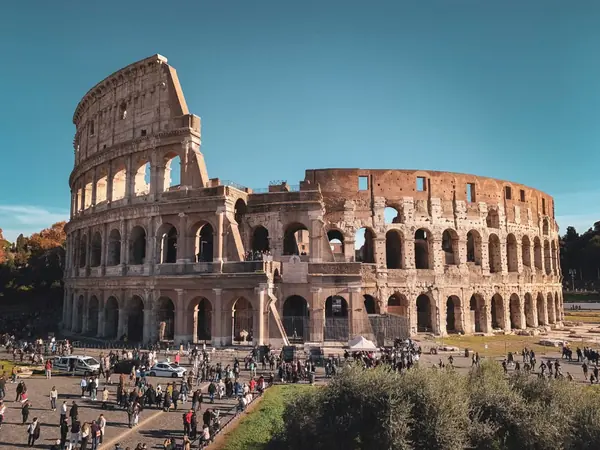
The Colosseum is Rome's most recognisable landmark and one of the greatest surviving monuments of the ancient Roman world. Completed in the first century AD, this enormous amphitheatre once hosted gladiatorial contests, public spectacles and major events attended by thousands of spectators. Today, visitors can explore its impressive architecture and discover the fascinating history of entertainment, politics and society in ancient Rome. Depending on the admission category, selected experiences may include access to the arena floor or underground areas, although these sections require specific tickets and are not included in every tour. Nearby, the Roman Forum preserves the remains of temples, government buildings and public spaces that once formed the political and social heart of the Roman Empire. Palatine Hill, traditionally associated with the legendary founding of Rome, offers archaeological remains and beautiful viewpoints overlooking the Forum. Guided Colosseum, Roman Forum and Palatine Hill tours available through Viator can provide valuable historical context and help visitors understand the significance of these extraordinary sites.
Reserve Colosseum admission well in advance, especially during peak season. Compare guided tours on Viator and verify whether your experience includes the Roman Forum, Palatine Hill, arena floor or underground access. Bring water, sun protection and comfortable walking shoes.
Vatican Museums and Sistine Chapel: Discover Renaissance Masterpieces
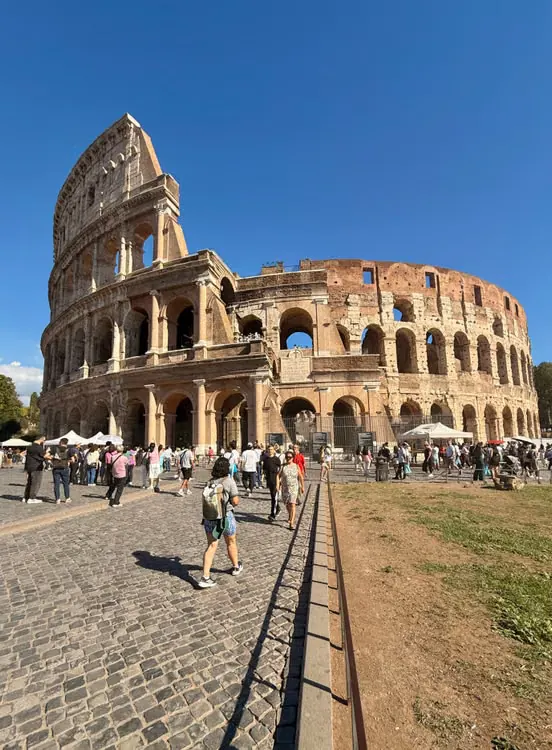
The Vatican Museums contain one of the world's most extraordinary collections of art, archaeology and historical treasures. Located within Vatican City, the museums feature magnificent galleries, classical sculptures, elaborate frescoes and masterpieces collected over centuries. Among the most celebrated highlights is the Sistine Chapel, famous for Michelangelo's breathtaking ceiling frescoes and The Last Judgment. Visitors can also admire the Gallery of Maps, the Raphael Rooms and numerous collections reflecting the artistic and cultural history of Europe. The museum complex is extensive, making it difficult to appreciate everything in a single visit. Guided Vatican Museums and Sistine Chapel tours available through Viator can help visitors focus on important artworks while learning about their historical and religious significance. St. Peter's Basilica is another major Vatican landmark, but its entry arrangements are separate from standard Vatican Museums admission, and direct passage between the museums and basilica is not guaranteed.
Book Vatican Museums admission ahead of time and check the exact meeting point and entry conditions. Compare Viator guided experiences by included museum admission, group size and itinerary. Respect the dress code and photography restrictions, particularly inside the Sistine Chapel.
Trevi Fountain and the Spanish Steps: Discover Romantic Rome
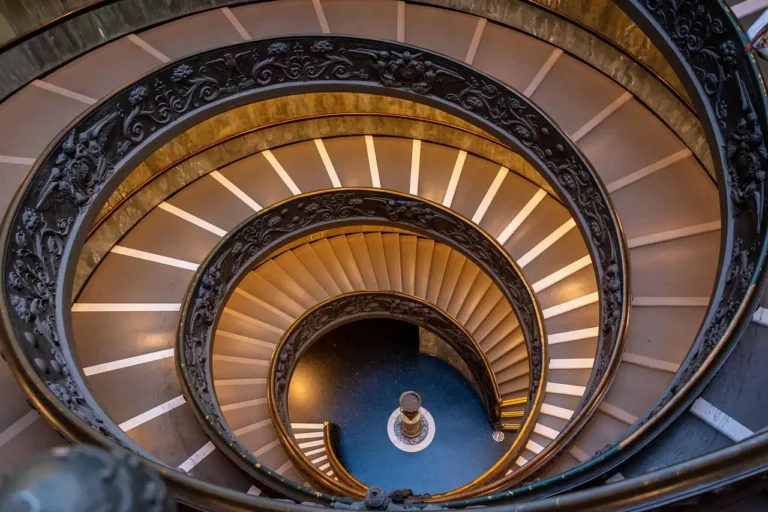
The Trevi Fountain is one of Rome's most beautiful and recognisable Baroque landmarks. Designed by Nicola Salvi and completed in the eighteenth century, the monumental fountain features dramatic sculptures, flowing water and an impressive architectural setting. Visitors traditionally toss a coin into the fountain as part of a popular custom associated with returning to Rome. The surrounding streets are filled with historic buildings, cafés and small shops, making the area ideal for a leisurely walk. Nearby, the Spanish Steps connect Piazza di Spagna with the church of Trinità dei Monti, creating another celebrated scene in Rome's historic centre. The elegant surrounding district is known for shopping, architecture and lively piazzas. Exploring these landmarks offers a memorable introduction to Rome's romantic atmosphere and Baroque heritage. Guided Rome walking tours available through Viator frequently combine the Trevi Fountain, Spanish Steps, Pantheon and other historic landmarks into one informative experience.
Visit the Trevi Fountain early in the morning or later in the evening to avoid the busiest periods. Access rules and any charges for designated close-up viewing areas may change, so check current arrangements. Sitting on the Spanish Steps is prohibited. Compare historic-centre walking tours on Viator for local commentary.
Pantheon and Piazza Navona: Experience Rome's Architectural Heritage
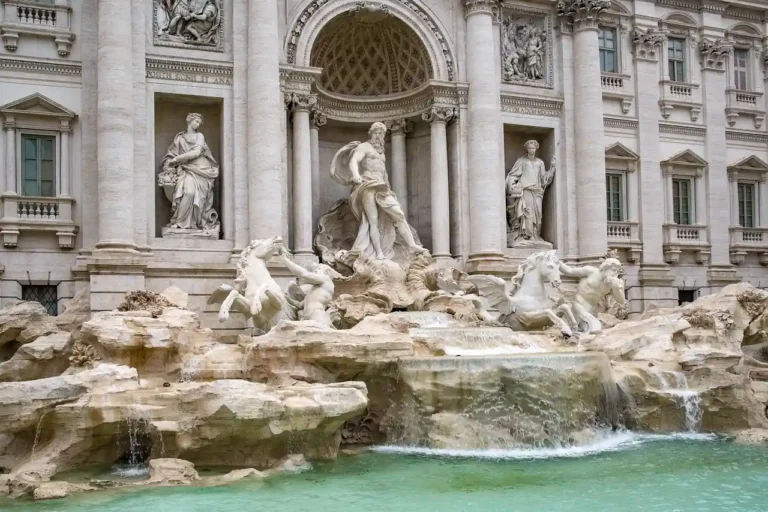
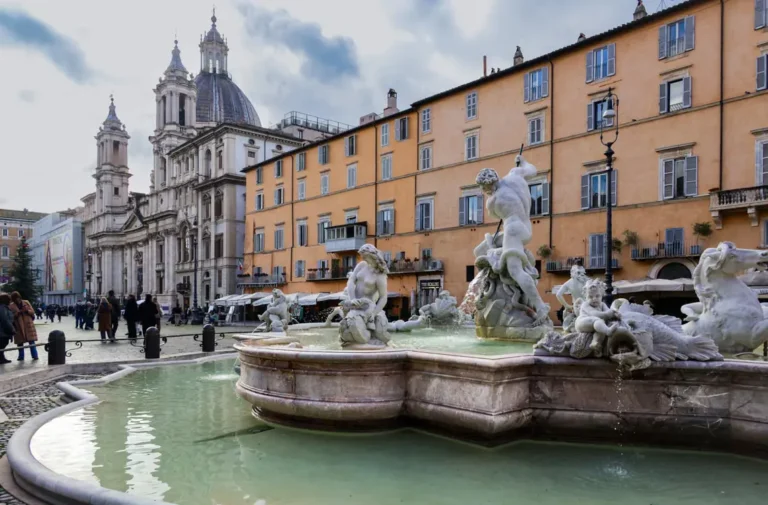
The Pantheon is one of the best-preserved monuments of ancient Rome and an extraordinary example of Roman engineering. Originally built as a temple and later converted into a Christian church, the building is famous for its enormous concrete dome and central oculus, which allows natural light to illuminate the interior. Its harmonious proportions and remarkable construction continue to inspire architects around the world. The surrounding Piazza della Rotonda is a lively public square filled with cafés and historic buildings. A short walk away, Piazza Navona is one of Rome's most beautiful Baroque squares, celebrated for its elegant architecture and magnificent fountains, including Bernini's Fountain of the Four Rivers. The area is ideal for exploring on foot and discovering charming streets between major landmarks. Guided Pantheon and historic Rome walking tours available through Viator can introduce visitors to the fascinating stories behind these celebrated sites.
Check current Pantheon admission prices, opening hours and religious-service restrictions before visiting. Compare Pantheon guided experiences on Viator and verify whether entry is included. Combine the visit with Piazza Navona and nearby historic streets.
3Unique Experiences in Rome Beyond the Main Attractions
Some of the most memorable things to do in Rome involve discovering the city's neighbourhoods, culinary traditions and lesser-known historical sites. Guided food tours, pasta-making classes, underground archaeological experiences and excursions beyond the capital reveal different sides of Italian culture. Whether you're interested in authentic Roman cuisine, ancient history, scenic countryside or memorable evening activities, Rome offers an exceptional variety of experiences. Compare Rome tours and activities on Viator to find options suited to your interests and available time.
Explore Trastevere and Join a Traditional Roman Food Tour
Trastevere is one of Rome's most atmospheric neighbourhoods, known for its cobbled streets, colourful buildings, lively piazzas and traditional restaurants. Located across the Tiber River from the historic centre, the district offers a charming setting for exploring local Roman culture. Visitors can discover historic churches, independent shops and inviting trattorias serving classic regional dishes. Trastevere becomes particularly lively in the evening, when restaurants and outdoor terraces fill with residents and travellers. Guided Rome food tours often explore Trastevere and neighbouring districts, introducing participants to Roman culinary traditions through tastings of local specialities. Depending on the experience, visitors may sample pizza, pasta, cured meats, cheeses, pastries or gelato while learning about the history of Roman cuisine. Compare Trastevere food tours on Viator to discover memorable culinary experiences.
Learn to Make Authentic Italian Pasta and Pizza
A traditional Italian cooking class is one of the most enjoyable ways to experience Rome beyond its famous monuments. Visitors can learn to prepare fresh pasta, pizza or classic Italian desserts under the guidance of local instructors. Popular workshops may focus on handmade pasta shapes, Roman sauces such as carbonara or cacio e pepe, or traditional tiramisu. These experiences provide opportunities to understand Italian ingredients, cooking techniques and culinary customs while enjoying a relaxed and interactive atmosphere. Cooking classes are particularly appealing for couples, families and groups of friends looking for a memorable activity. Some workshops take place in dedicated cooking studios, while others are hosted in restaurants or private kitchens. Compare Rome pasta-making and pizza cooking classes on Viator according to the dishes prepared, duration and included meal.
Discover the Catacombs and Ancient Appian Way
Rome's history extends far beyond its famous monuments, and exploring the ancient Appian Way offers a fascinating perspective on the city's archaeological heritage. The Via Appia Antica was one of the most important roads of the Roman world, connecting Rome with territories farther south. Today, sections of the historic route pass through an attractive landscape of ancient ruins, tombs and archaeological sites. The surrounding area also contains important early Christian catacombs, including those associated with San Callisto and San Sebastiano. Guided visits introduce travellers to underground burial traditions, religious history and the development of Christianity in ancient Rome. Some excursions combine catacomb visits with cycling or sightseeing along the Appian Way. Compare Rome catacombs and Appian Way tours on Viator to discover suitable experiences.
Visit the Borghese Gallery and Villa Borghese Gardens
The Borghese Gallery is one of Rome's most celebrated art museums, housing an extraordinary collection of paintings and sculptures within a historic villa. Visitors can admire masterpieces by artists such as Bernini, Caravaggio, Raphael and Titian, making the gallery particularly appealing for Renaissance and Baroque art enthusiasts. The museum is located within Villa Borghese, one of Rome's most attractive green spaces, where landscaped gardens, pathways and scenic viewpoints provide a peaceful break from the busy historic centre. Nearby, the Pincio Terrace offers beautiful views over Piazza del Popolo and the surrounding rooftops. Combining the gallery with a garden walk creates an enjoyable half-day cultural experience. Compare Borghese Gallery guided tours and selected Rome art experiences on Viator to learn more about the collection.
Explore Castel Sant'Angelo and the Tiber River
Castel Sant'Angelo is one of Rome's most distinctive historic landmarks, standing beside the Tiber River near Vatican City. Originally constructed as a mausoleum for Emperor Hadrian, the building later served as a fortress, papal residence and prison. Today, visitors can explore its fascinating history, architectural layers and panoramic terraces overlooking Rome. The nearby Ponte Sant'Angelo is famous for its elegant sculptures and beautiful views towards St. Peter's Basilica. Walking along the Tiber provides opportunities to discover historic bridges and attractive riverside scenery. The area is particularly atmospheric during the late afternoon and evening, when the surrounding buildings are illuminated. Guided Castel Sant'Angelo experiences and Rome historical walking tours available through Viator can provide valuable context about this remarkable monument.
Take a Pompeii and Naples Day Trip from Rome
Pompeii is one of Italy's most extraordinary archaeological destinations and a popular full-day excursion from Rome. The ancient Roman city was buried by the eruption of Mount Vesuvius in AD 79, preserving streets, buildings and remarkable evidence of everyday life in the Roman world. Visitors can explore archaeological remains that reveal the structure of ancient homes, public spaces and commercial districts. Some guided excursions from Rome combine Pompeii with Naples, the Amalfi Coast or selected viewpoints near Mount Vesuvius, depending on the itinerary and travel conditions. Because Pompeii is located a considerable distance south of Rome, day trips involve substantial travel time and an early start. Guided Pompeii day trips from Rome available through Viator can simplify transport and provide expert historical commentary.
Discover Tivoli's Villa d'Este and Hadrian's Villa
Tivoli is a rewarding day-trip destination east of Rome, celebrated for its beautiful gardens and extraordinary archaeological heritage. Villa d'Este is famous for its Renaissance gardens, elaborate fountains and impressive water features, while Hadrian's Villa preserves the remains of an enormous imperial residence built for the Roman emperor Hadrian. Both destinations offer fascinating insights into different periods of Italian history and architecture. Visitors can admire landscaped gardens, historic structures and scenic surroundings away from Rome's busiest tourist districts. Guided Tivoli excursions from Rome available through Viator may combine both UNESCO-listed sites with transport and historical commentary, making them convenient for travellers interested in art, architecture and ancient history.
Experience Rome at Night on a Guided Walking or Vespa Tour
Rome becomes especially atmospheric after sunset, when illuminated monuments, historic piazzas and lively restaurant terraces create a memorable setting. Evening walking tours can introduce visitors to famous landmarks such as the Trevi Fountain, Pantheon, Piazza Navona and Spanish Steps while explaining the city's history and legends. Travellers looking for a different perspective may consider a guided Vespa experience, where available, or a sightseeing excursion through selected neighbourhoods. Rome's evening atmosphere is particularly appealing during summer, when temperatures are often more comfortable after sunset. Guided Rome night tours available through Viator offer opportunities to discover the Eternal City's illuminated architecture and local culture.
4Where to Stay in Rome: Best Areas for Visitors
Choosing the right neighbourhood can make your Rome trip more convenient and enjoyable. The historic centre, particularly the areas around the Pantheon, Piazza Navona and Campo de' Fiori, is one of the best choices for first-time visitors who want to explore major landmarks on foot. Monti offers a charming combination of cobbled streets, independent boutiques, restaurants and proximity to the Colosseum and Roman Forum. Trastevere is ideal for travellers who enjoy atmospheric neighbourhoods, traditional restaurants and lively evenings, although some streets can be noisy and transport connections vary. Prati is a popular choice for visitors focusing on Vatican City, offering elegant streets, restaurants and convenient access to the Vatican Museums and St. Peter's Basilica. The area around Termini Station is practical for travellers arriving by train or planning excursions to other Italian cities, with accommodation options across different budgets. Testaccio appeals to food lovers interested in local restaurants and traditional Roman cuisine, while the Spanish Steps area offers upscale hotels and shopping. When comparing accommodation, consider the total price, walking distances, nearby Metro or bus connections, recent guest reviews and applicable tourist taxes. Rome's historic streets can include cobblestones and stairs, so accessibility and luggage arrangements are also worth checking.
5Practical Information for Visiting Rome
Rome is an extraordinary city to explore, but advance planning will help you avoid unnecessary queues, long journeys and overly demanding sightseeing schedules. Many major attractions are located within the historic centre, making walking one of the most rewarding ways to discover the city. However, uneven cobblestones, summer heat and crowded tourist areas can make sightseeing tiring. Reserve high-priority experiences such as the Colosseum, Vatican Museums and Borghese Gallery ahead of time, especially during busy travel periods. Compare Rome tours and activities on Viator by admission inclusions, itinerary, meeting point, language, group size and cancellation policies. Keep personal belongings secure in crowded locations and check current visitor information for attraction access, dress codes, opening hours and transport arrangements.
Best Time to Visit Rome
Rome is a rewarding destination throughout the year, with each season offering different advantages. Spring, particularly April through June, is popular for comfortable sightseeing temperatures, flowering gardens and outdoor dining. September and October also provide excellent conditions for exploring historic streets and archaeological sites, although occasional rain is possible. July and August are important tourist months, offering long daylight hours, lively summer evenings, outdoor cultural events and opportunities to enjoy the city's atmosphere after sunset. However, temperatures can be very hot, particularly around exposed archaeological sites, so visitors should plan early morning activities, take regular breaks and stay hydrated. Some smaller local businesses may close during parts of August, while major attractions generally continue operating. Winter brings cooler weather and fewer visitors in some periods, making it appealing for museums, churches and cultural experiences. Rome can be enjoyed in every season, and the best time depends on your interests and tolerance for heat and crowds.
Getting Around Rome
Rome has a public transport network that includes Metro trains, buses, trams and regional rail services. The Metro is useful for travelling between selected major areas, although it does not directly serve every attraction in the historic centre. Walking is often the most enjoyable way to explore neighbourhoods such as Monti, Trastevere and the streets around the Pantheon and Piazza Navona. Buses provide additional connections, while taxis and authorised private transfers can be convenient for selected journeys. A rental car is generally unnecessary for a short city break because of traffic, parking restrictions and limited-traffic zones. Travellers arriving through Leonardo da Vinci-Fiumicino Airport or Ciampino Airport can choose between rail, bus and transfer options depending on their accommodation and arrival time. Guided sightseeing tours can also help visitors explore multiple landmarks efficiently.
How Much Does a Trip to Rome Cost?
Rome offers travel experiences across a wide range of budgets, although accommodation and popular attractions can be expensive during peak periods. Hotel prices vary by neighbourhood, season and major events, while tourist taxes may increase the final accommodation cost. Travellers can enjoy several memorable free activities, including exploring historic piazzas, admiring famous fountains, walking through atmospheric neighbourhoods and visiting many churches, subject to access rules. Major archaeological sites, museums, guided tours and selected cultural experiences require additional budgeting. Rome's food scene offers everything from affordable pizza al taglio and casual pasta restaurants to refined dining experiences. Public transport can help manage expenses, while comparing guided activities in advance allows visitors to prioritise experiences that offer the greatest value.
How Many Days Should You Spend in Rome?
Three full days are enough for an excellent introduction to Rome's most famous attractions, historic neighbourhoods and culinary traditions. A three-day itinerary can combine the Colosseum, Roman Forum, Vatican Museums, Trevi Fountain, Pantheon and Trastevere. Four or five days allow a more relaxed pace, additional museums and time for experiences such as cooking classes or visits to the Catacombs and Appian Way. Travellers interested in excursions to Pompeii, Tivoli or other Italian destinations should consider adding at least one extra day. Rome rewards slow exploration, so avoid scheduling too many major timed-entry attractions on the same day.
6The Perfect 3-Day Rome Itinerary
Day 1 - Colosseum, Roman Forum and Ancient Rome: Begin your Rome adventure with a guided visit to the Colosseum, learning about the amphitheatre's extraordinary history and architecture. Continue through the Roman Forum and Palatine Hill to explore the remains of ancient temples, government buildings and imperial residences. After lunch, wander through the charming streets of Monti and discover its cafés and independent shops. In the evening, enjoy a traditional Roman dinner or consider a guided walking tour of illuminated landmarks. Compare Colosseum, Roman Forum and Palatine Hill experiences on Viator, checking admission categories and tour inclusions. Day 2 - Vatican Museums, Sistine Chapel and Historic Rome: Start the morning with the Vatican Museums and Sistine Chapel, allowing sufficient time to appreciate the extraordinary collections and Michelangelo's masterpieces. Continue to St. Peter's Square and, if your schedule and access arrangements allow, visit St. Peter's Basilica separately. In the afternoon, explore Castel Sant'Angelo and cross the beautiful Ponte Sant'Angelo towards the historic centre. Finish the day with a relaxed walk around Piazza Navona and the surrounding streets. Compare Vatican guided tours and Castel Sant'Angelo experiences on Viator to organise your day. Day 3 - Trevi Fountain, Pantheon and Roman Food Experiences: Begin early at the Trevi Fountain before the busiest crowds arrive, then continue to the Spanish Steps and surrounding streets. Visit the Pantheon and explore Piazza Navona, taking time to admire Rome's magnificent Baroque architecture. In the afternoon, discover Trastevere and enjoy a guided Roman food tour or traditional pasta-making class. Travellers who prefer an excursion can instead dedicate the day to Tivoli or Pompeii, although Pompeii requires a long full-day itinerary. Compare Rome food tours, cooking classes and day trips on Viator according to your interests. This flexible three-day Rome itinerary combines ancient history, world-class art, iconic landmarks and authentic Italian experiences while keeping sightseeing manageable.
7Frequently Asked Questions
What are the best things to do in Rome for first-time visitors?
The best things to do in Rome for first-time visitors include exploring the Colosseum and Roman Forum, visiting the Vatican Museums and Sistine Chapel, admiring the Trevi Fountain, discovering the Pantheon and walking through Piazza Navona. Trastevere food tours and guided historic-centre experiences are also highly recommended.
How many days do you need in Rome?
Three to five days are ideal for many first-time visitors. Three days allow you to explore major landmarks and historic neighbourhoods, while additional days provide more time for museums, food experiences and excursions to Tivoli or Pompeii.
What is the best time to visit Rome?
April to June and September to October are often excellent periods for comfortable sightseeing. July and August are also popular for long summer days, evening walks and seasonal experiences, although temperatures can be very hot. Winter offers cooler weather and cultural attractions.
Is Rome worth visiting in July and August?
Yes. July and August are exciting months to experience Rome's summer atmosphere, outdoor dining, evening sightseeing and seasonal cultural events. However, high temperatures and crowds require careful planning. Visit exposed archaeological sites early, stay hydrated and schedule indoor activities during the hottest hours.
What are the best free things to do in Rome?
Popular free activities include exploring Piazza Navona, admiring the Spanish Steps, walking through Trastevere, visiting public squares and discovering historic streets. Many churches offer free entry, although some areas and attractions may charge admission. Access conditions around the Trevi Fountain should be checked before visiting.
Should I book Rome attractions in advance?
Advance booking is strongly recommended for popular attractions such as the Colosseum, Vatican Museums and Borghese Gallery, particularly during weekends and peak tourist periods. Compare available experiences on Viator and check admission inclusions, meeting points and cancellation policies.
Is a guided Colosseum tour worth it?
Yes. A guided Colosseum tour can provide valuable insight into ancient Roman history, gladiatorial contests and the architecture of the amphitheatre. Compare Colosseum experiences on Viator and verify whether the Roman Forum, Palatine Hill, arena floor or underground areas are included.
Can you visit the Vatican Museums and St. Peter's Basilica on the same day?
Yes. Many visitors explore the Vatican Museums and Sistine Chapel before visiting St. Peter's Basilica. However, admission arrangements are separate, and direct access between the museums and basilica is not guaranteed. Check current entry requirements and allow sufficient time for security procedures.
Is Rome easy to visit without a car?
Yes. Rome has Metro, bus and tram services, and many historic attractions are within walking distance of one another. A rental car is unnecessary for most city breaks and may create difficulties with traffic, parking and restricted zones.
What are the best things to do in Rome with kids?
Family-friendly activities include exploring the Colosseum, visiting the Roman Forum, enjoying Villa Borghese Gardens, discovering historic fountains and participating in suitable pizza or pasta-making classes. Choose experiences according to children's ages and walking abilities.
What are the best day trips from Rome?
Popular day trips from Rome include Pompeii, Tivoli and the surrounding Lazio countryside. Pompeii is famous for its ancient archaeological remains, while Tivoli offers Villa d'Este and Hadrian's Villa. Compare guided excursions on Viator by itinerary, transport and included admission.
Where should first-time visitors stay in Rome?
The historic centre near the Pantheon and Piazza Navona is excellent for first-time visitors. Monti offers convenient access to ancient landmarks, Trastevere provides lively neighbourhood atmosphere, and Prati is practical for exploring Vatican City.
Is Rome expensive for tourists?
Rome can be moderately expensive, especially for central accommodation and major attractions. Travellers can manage costs by using public transport, choosing casual restaurants and combining premium guided experiences with free sightseeing in historic neighbourhoods.
Are Rome food tours and cooking classes worth it?
Yes. Guided food tours and cooking classes provide opportunities to discover authentic Roman cuisine, learn traditional recipes and explore local neighbourhoods. Compare Rome culinary experiences on Viator by included tastings, dishes prepared, dietary accommodations and group size.
Can you visit Rome in three days?
Yes. A three-day Rome itinerary can combine the Colosseum and Roman Forum on the first day, the Vatican Museums and St. Peter's Basilica on the second, and the Trevi Fountain, Pantheon, Piazza Navona and Trastevere on the third. Additional days allow a more relaxed pace and excursions.
Discover tours, attractions and experiences.